 EN




 EN
- ASICS Gel-Nimbus

- ASICS Gel-Kayano
- ASICS Novablast
- ASICS Superblast
- ASICS Gel-Cumulus
- ASICS GT-1000
- ASICS GT-2000
- ASICS Gel-Pulse
- ASICS Noosa
- ASICS Gel-Kinsei
- ASICS Gel-Quantum
- ASICS Gel Lyte
- ASICS Gel-Venture
- ASICS Contend
- ASICS Excite
- ASICS Patriot
- ASICS Sonoma
- ASICS Japan
- ASICS Gel-NYC
- ASICS Trail
- ASICS Rocket
- ASICS Gel-Trabuco
- ASICS EX89
- ASICS Dynablast
- ASICS Resolution
- ASICS Solution
- ASICS Dedicate







 RUNNING
 FASHION-OUTDOOR
 SWIMMING
 TENNIS
 PADEL
 SPORTSTYLE
 VOLLEY
 TRAIL-HIKING
 WALKING
 TRAINING-GYM
 WATER SPORT
ASICS
Filters
Clear all

BRAND
STATUS
SIZE
Show More
COLOR
PRICE RANGE
WALKING
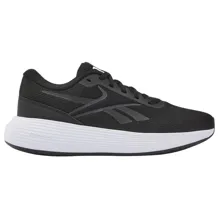
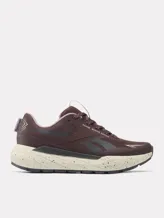
Number of products 7
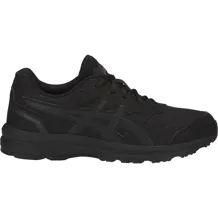
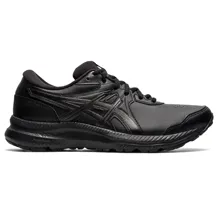
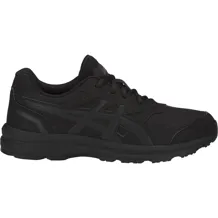
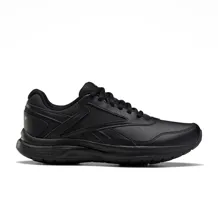
Have Coupon Code?Type it in and check your discount during checkout!
 FREE SHIPPINGOver €49
 FREE RETURNSWithin Greece
What features make a women’s athletic shoe ideal for walking?
A women’s athletic shoe is ideal for walking when it provides good cushioning/shock absorption through comfortable padding, is lightweight to support easy movement, and offers reliable traction for safety on different surfaces. The outsole should be flexible to allow a natural stride, while the shoe should fit comfortably, support the arch, and provide enough room in the toe area. Breathable materials are also important to keep your feet cool and comfortable throughout your walk.
How does the outsole of a walking shoe differ from other athletic shoes?
The outsole of a shoe designed for walking differs from other athletic shoes mainly in its flexibility and how traction is distributed. Walking shoes typically have a more flexible outsole to support a natural foot motion, and they are designed to promote a more even distribution of pressure while you walk. In contrast, running shoes and other sport-specific shoes place more emphasis on cushioning and support, with targeted traction zones that provide extra stability for faster movements or quick changes of direction.
What is the most important sizing criterion for walking shoes?
The most important factor when choosing the size of a walking shoe is comfort and proper fit, especially in the toe area and around the arch. There should be enough room at the front for your toes to move freely, but not so much space that the shoe feels loose or your foot slides inside. This helps keep the shoes comfortable and can help prevent injuries during walking.
How should I care for my women’s walking shoes?
To care for your women’s walking shoes, regularly remove dust and dirt from the surface using a soft cloth or brush. For a deeper clean, use mild soapy water, avoiding harsh cleaners that could damage the materials. Let them air-dry naturally in a well-ventilated area, away from direct heat sources or sunlight. Use shoe trees to help them keep their shape when not in use. Also, rotating between different pairs is recommended to reduce wear.
When should I replace my walking shoes?
Consider replacing your walking shoes when you notice significant wear, such as visible outsole wear, reduced traction, or clear damage to the shoe materials. If you feel discomfort, pain, or lack of support while walking, it may be a sign that the shoe’s internal structure has worn out. In general, it’s recommended to replace walking shoes after about 500 to 800 km of use, depending on the shoe quality and how intensively you use them.